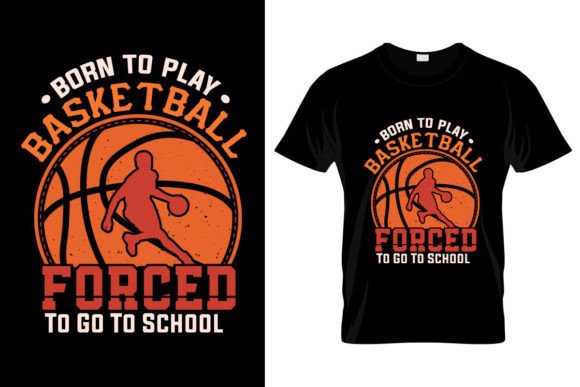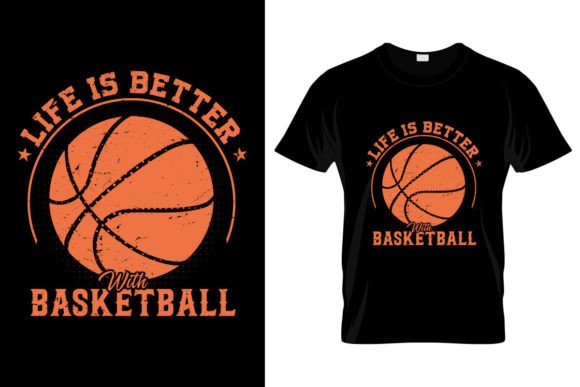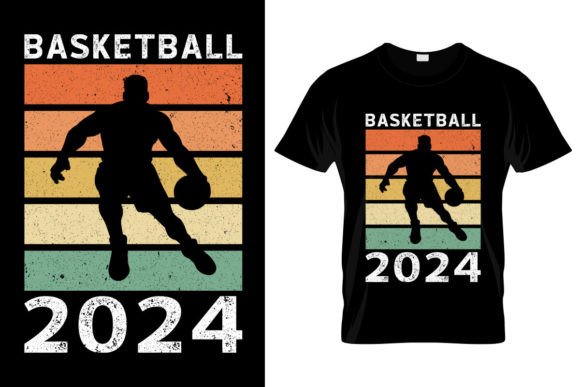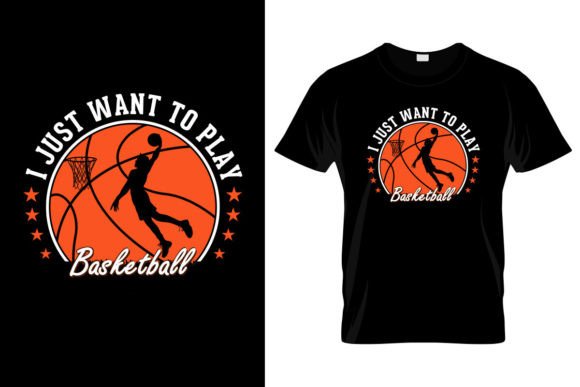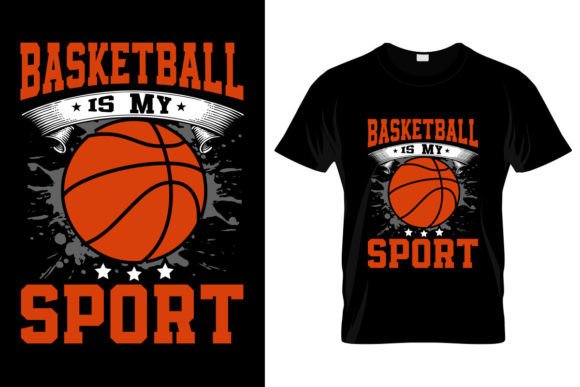
Basketball is My Sport
First Impressions: Bold, Friendly, and Ready for Stitching
When I opened Basketball is My Sport for the first time, I didn’t see just another graphic—I saw a confident, conversational statement with clear visual rhythm. The layout leans into sporty energy without shouting: clean type, a subtle basketball motif (likely integrated into or beside the text), and balanced negative space. It’s not overly detailed—no tiny laces or hyper-realistic seams—but it *feels* intentional. As an embroidery designer who’s stitched hundreds of text-based designs, I immediately pictured this on a relaxed-fit cotton sweatshirt, centered just below the collarbone. It lands somewhere between spirited and sincere—not too young, not too corporate. That balance matters when you’re choosing a design for real projects, not just mockups.
A Real-World Test: Embroidering It onto a Canvas Tote Bag
Last week, I used Basketball is My Sport for a custom embroidered tote bag—a gift for a high school coach launching her own sideline apparel line. I chose medium-weight canvas, medium-cut stabilizer, and matte polyester thread in navy and white. The result? Crisp readability at 8 inches wide, no ghosting, and zero puckering—even where the fabric naturally dips near the gusset. Why did it work so well? Because the design’s letterforms have generous stroke weight and consistent spacing. No hairline serifs or tight kerning to vanish under satin stitch. The basketball element (a simplified outline or stylized icon, depending on the file) sat cleanly within the flow—not competing, not distracting. Customers noticed it instantly. One parent told me, “It looks like something you’d buy at a pro shop—not handmade.” That’s the gold standard for craft businesses and Etsy sellers: professional polish without losing warmth.
Where It Shines—and Where to Pause
Basketball is My Sport performs reliably across common embroidery applications:
- Custom apparel: Works beautifully on crewneck sweatshirts, relaxed tees, and lightweight hoodies—especially when placed on the left chest or upper back.
- Embroidered patch: Clean edges and moderate detail make it ideal for sew-on or iron-on patches. Holds up after multiple washes if stitched with quality thread.
- Baby embroidery: On a soft cotton onesie? Yes—but size it down to 3–4 inches and avoid dense fill areas near seams. Keep thread colors soft (heather grey + cream reads calmer than black + neon).
- Holiday or personalized gift: Paired with a simple monogram or year (“2024 Season”) in a complementary font, it becomes a thoughtful, lasting keepsake—not just seasonal decor.
- Small shop product: As a boutique branding anchor (e.g., stitched on aprons for a sports-themed café or tea towels for a gym studio), it adds identity without overwhelming.
But here’s where attention matters:
- Small hoop sizes: Below 4 inches wide, some letter details may compress or lose clarity—test before committing to caps or kids’ beanies.
- Textured or stretchy fabric: On terry cloth towels or jersey knit, use cutaway stabilizer and reduce stitch density slightly. Running stitch outlines help define shape where fill might blur.
- Dark or layered garments: If stitching over a pocket or seam, check that the design’s height allows full coverage without distortion. Also confirm thread contrast—white on black works; light grey on navy won’t.
- Curved surfaces: Caps and curved pillow covers require repositioning or minor digitizing tweaks. This design’s horizontal flow makes it more forgiving than arched or circular layouts—but still test first.
What It Adds to Your Finished Product—Beyond Aesthetics
Using Basketball is My Sport isn’t just about putting letters on fabric. It shapes perception. When customers see this on a handmade item, they read confidence, authenticity, and niche alignment—not generic clip art. For Etsy sellers, that builds trust faster. For craft fair vendors, it helps your booth stand out among dozens of floral or quote-based designs. And for small business owners building branded merchandise, it supports consistency: same voice across tote bags, aprons, and embroidered patches.
It also affects practical value. Because it’s built for versatility—not just t-shirts—the same digital embroidery file can support multiple SKUs without redesign fees. That’s crucial for makers juggling production, pricing, and inventory. Just remember: as a Graphics-category design intended for print *and* embroidery, verify whether the included files are true machine embroidery formats (.dst, .pes, .jef, etc.) or vector-based graphics needing digitizing. Don’t assume.
Practical Designer Notes Before You Stitch
Before using Basketball is My Sport in your next project, do these five things:
- Test on scrap fabric matching your final material—especially if it’s textured, thin, or dark.
- Check thread color contrast by stitching a single-word sample (e.g., “Sport”) in your chosen palette on both light and dark backgrounds.
- Review stitch density in software—if fill areas look overly heavy, reduce density by 5–10% to prevent stiffness on apparel.
- Confirm hoop size compatibility for your machine and intended placement (e.g., cap frames vs. flat hoops).
- Inspect small details like dot accents or basketball texture—zoom in digitally and stitch a corner section to ensure legibility.
Also: generate quick black-and-white printable mockups to preview how it reads at scale, compare licensing terms if selling finished items, and always pair it with appropriate stabilizer—especially for woven fabrics prone to shifting.
Final Thought: A Design That Serves the Maker—and the Message
Basketball is My Sport isn’t flashy. It doesn’t try to be everything. But it does one thing exceptionally well: it delivers personality, clarity, and craft-ready structure in a single composition. Whether you’re embroidering a baby onesie for a proud dad, stocking a local boutique with custom sweatshirts, or listing your first digital embroidery file on Etsy, this design meets you where you are—no over-engineering, no guesswork, just honest, wearable energy. That’s rare. And that’s why, after years of reviewing T-Shirt Designs and Graphics for real-world use, I keep coming back to pieces like this: simple on the surface, smart underneath.