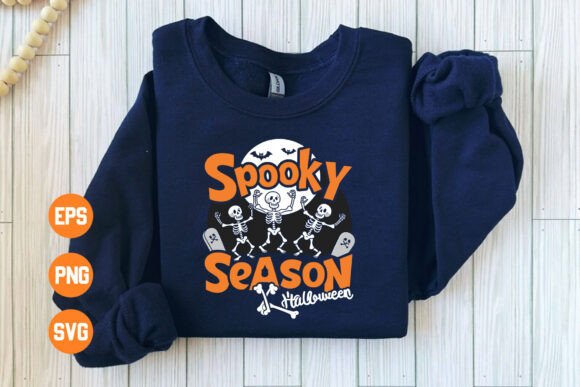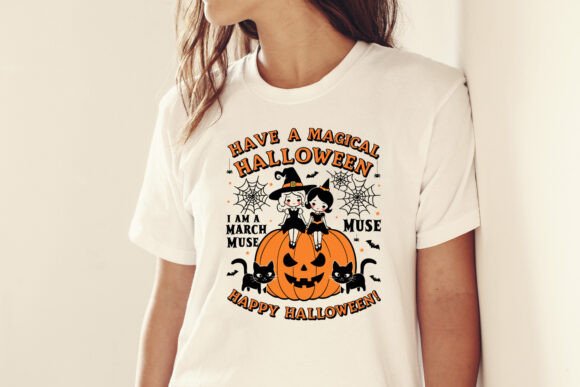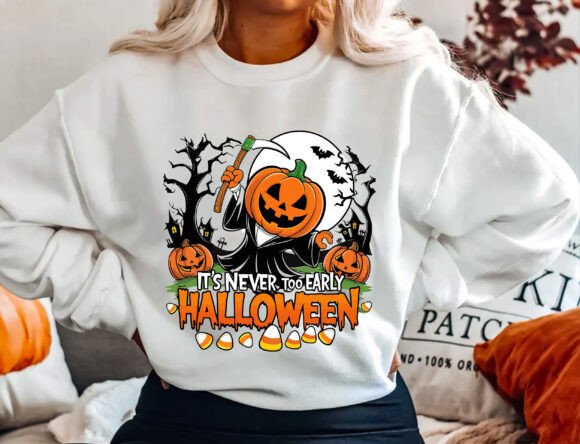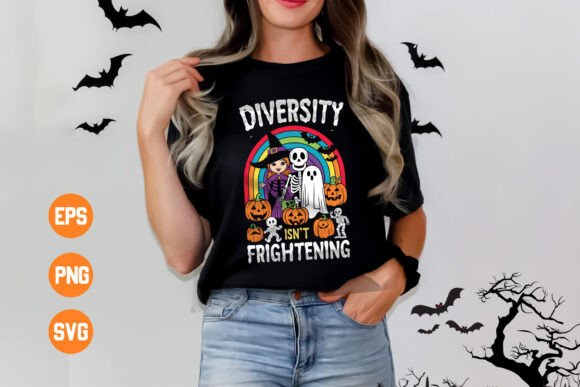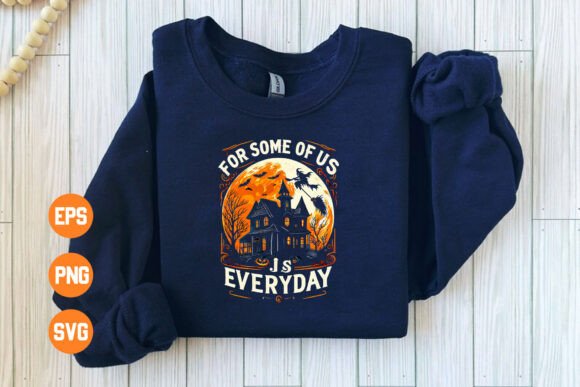
For Some of Us Halloween is Everyday
As a designer who’s stitched over 300 custom embroidery projects—from boutique baby onesies to limited-run festival sweatshirts—I opened For Some of Us Halloween is Everyday expecting playful spookiness. What I found was something sharper: a confident, slightly wry visual statement that lands perfectly between costume and conviction. It’s not cartoonish candy corn or cliché bats—it’s typography-driven, with intentional negative space, subtle texture in the lettering, and a rhythm that breathes like spoken language. That matters deeply when translating from screen to stitch.
First Impressions: Mood, Shape, and Embroidery Readiness
The design reads as bold but not aggressive—clean lines, moderate weight, and balanced letter spacing. There’s no intricate filigree or micro-detail, which is a relief. In embroidery, every curve and corner becomes a stitch path, and For Some of Us Halloween is Everyday avoids traps: no overlapping letters, no fragile serifs, no thin hairlines that vanish under satin stitch. The phrase itself carries warmth and inclusivity—ideal for handmade apparel meant to spark conversation, not just decorate. I immediately pictured it on an unbleached cotton tote bag for a local indie bookstore’s October event: sturdy fabric, visible stitching, quiet confidence.
Where It Shines—and Where It Needs Care
This design excels on medium-to-heavyweight fabrics where stitch definition holds: organic cotton sweatshirts, linen pillow covers, canvas aprons, and structured tea towels. On a navy crewneck sweatshirt? Yes—especially with charcoal gray or off-white thread. On a lightweight baby onesie? Proceed thoughtfully. The phrase’s length (12 words) means it’ll need at least a 5” x 7” hoop minimum for legibility; smaller hoops risk compressing spacing and blurring readability. And while the PNG file is print-ready, remember: embroidery requires vector conversion or digitization first—this isn’t a plug-and-stitch embroidery file out of the box.
Textured fabrics like terry cloth or bouclé demand extra stabilizer—For Some of Us Halloween is Everyday’s clean lines can get lost in fuzz without proper backing. On dark fabric, test contrast early: light thread may lack punch unless you add underlay or increase stitch density. And avoid stretchy knits unless you’re using cutaway stabilizer and reducing tension—letter distortion is real, especially mid-phrase.
Real-World Use Cases That Feel Authentic
- Custom embroidered tote bags: Perfect scale and attitude—casual but intentional, great for gift shops or craft fairs.
- Boutique nursery decor: Stitched onto a soft cotton muslin wall hanging, it reads as gentle whimsy—not scary, not saccharine.
- Etsy embroidered patches: Clean edges and consistent stroke width mean crisp edge finishes with minimal fraying.
- Small shop sweatshirt collections: Works beautifully alongside minimalist skull motifs or vintage-style pumpkins—adds narrative without clutter.
- Personalized holiday gifts: Paired with a monogram or birth month charm, it feels curated, not mass-produced.
What This Design Says About Your Brand—Without Saying a Word
Using For Some of Us Halloween is Everyday signals you understand tone. It’s not “Halloween Party!”—it’s “I live by my own calendar.” That resonates with customers who value authenticity over trends. When stitched cleanly, it elevates perceived value: a $38 embroidered sweatshirt feels like a keepsake, not fast fashion. For Etsy sellers and craft business owners, that translates directly to higher trust, better reviews, and repeat buyers. But only if execution matches intent. A poorly stabilized version on a curved cap brim will read as rushed—not charmingly handmade.
Practical Designer Notes Before You Stitch
- Always test on scrap fabric first—especially with your exact thread, stabilizer, and machine settings.
- Check thread color contrast on both light and dark backgrounds before digitizing or ordering a pre-digitized file.
- Review stitch density: Too dense = stiff fabric and puckering; too sparse = gaps in letterforms. Aim for even coverage without heaviness.
- Confirm hoop size compatibility—this phrase needs room. Don’t force it into a 4” hoop unless you’re willing to sacrifice spacing and clarity.
- Inspect small details digitally before stitching: zoom in on corners, junctions, and terminal strokes. Does the “y” in “everyday” hold its shape? Does the apostrophe read clearly?
- Test black-and-white mockups to gauge how it reads in monochrome—many commercial embroidery projects rely on single-color stitching.
- Use appropriate stabilizer: tear-away for stable wovens, cutaway for knits or high-stretch items.
- Verify licensing before selling finished products or digital embroidery files—this PNG is marketed for apparel and print use, but commercial embroidery rights aren’t automatically included unless explicitly stated.
Final Thought: A Design That Earns Its Place
For Some of Us Halloween is Everyday isn’t background decoration. It’s a statement piece—best used where people pause, read, and smile. It works because it respects the craft: no optical illusions, no hidden complexity, no visual noise. As a T-Shirt Design, it’s versatile. As a Graphics asset, it’s adaptable. But as an embroidery project? It earns its place only when treated with intention—from digitizing through finishing. Whether you’re stitching for a client, stocking your Etsy shop, or making a personalized gift, let this design do what it does best: speak clearly, hold its shape, and feel like it belongs.