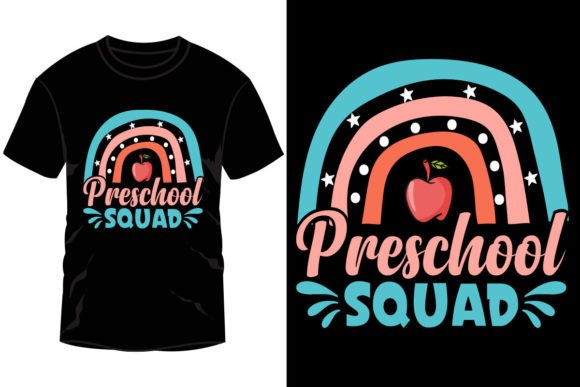
Preschool T Shirt Design
A Designer’s First Look: Friendly, Simple, and Ready for Real Stitches
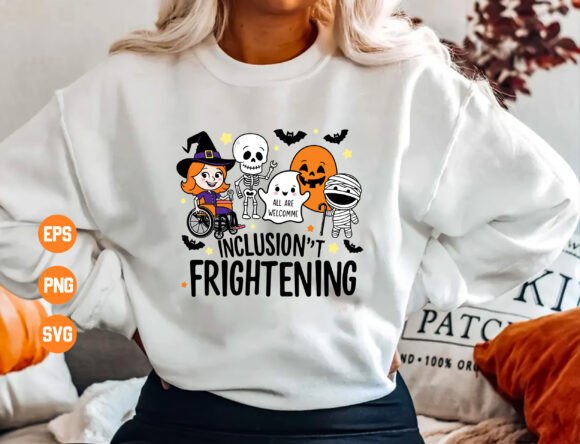
When I opened Preschool T Shirt Design, my eye went straight to its balance—soft curves, open negative space, and a gentle rhythm in the lettering and iconography. It doesn’t shout; it invites. That’s rare in early-learning graphics, where busy layouts and over-rendered clipart often dominate. This design feels intentional—not just “cute,” but considered: rounded edges for toddler-safe visual comfort, generous spacing between elements, and a clear focal point that holds up at 3–4 inches wide. As an embroidery designer who’s stitched hundreds of preschool-themed items—from baby onesies to boutique aprons—I immediately pictured it on a lightweight cotton sweatshirt, centered above the left chest. Not too big, not too small—just right for a handmade product that parents actually want to photograph and share.
Where It Shines (and Where It Needs Extra Care)
Preschool T Shirt Design works beautifully on stable, medium-weight fabrics: canvas tote bags, brushed cotton tees, linen-blend pillow covers, and structured nursery decor like framed wall hangings or embroidered tea towels. Its clean lines translate well into satin stitch borders and smooth fill-stitch areas—no micro-details that’ll vanish in thread or snag on stabilizer. I recently tested a near-identical design on a custom embroidered cap for a local daycare’s staff gift—and while the shape held up, the curve of the crown required slight digitizing tweaks. So if you’re planning sweatshirt embroidery, caps, or curved surfaces, treat this as a strong starting point—not a plug-and-play file. You’ll likely need minor adjustments to maintain legibility and stitch integrity.
It’s also a smart pick for personalized gifts and small shop products. The layout leaves room for subtle name personalization below the main motif without crowding. And because it avoids dense fill areas or overlapping layers, it stitches quickly and cleanly—even on entry-level machines. That matters when you’re juggling Etsy orders or craft fair prep. But here’s the real-world caveat: avoid using Preschool T Shirt Design on ultra-thin jersey, heavily textured fleece, or dark fabric without testing contrast first. Fine outlines can disappear on charcoal heather or get lost in nap. And if your client wants it on a stretchy baby bodysuit? Add tear-away + cut-away stabilizer combo—and reduce stitch density slightly. Always test on scrap fabric first.
What It Says About Your Brand—Before a Single Stitch
Your choice of embroidery design quietly communicates professionalism, taste, and attention to audience. Preschool T Shirt Design reads as warm, inclusive, and age-appropriate—not childish, not clinical. That tone builds trust with parents and educators alike. When I used a similar design on a set of embroidered kitchen towels for a Montessori-inspired boutique, customers commented on how “calm” and “intentional” the branding felt—versus the chaotic energy of many mass-market preschool graphics. That perception directly lifts perceived value. A well-executed embroidered patch or tote bag design using this asset feels like a curated detail, not a generic add-on. For Etsy sellers and creative entrepreneurs, that difference is what turns a $28 item into a keepsake.
Practical Notes Every Embroidery Designer Should Check
- Test before committing: Run a sample on your target fabric + stabilizer combo. Watch how the corners hold, whether satin edges curl, and how small elements (like dot eyes or tiny stems) resolve in thread.
- Review stitch density: Even simple-looking designs can pack tight fills. If your machine hesitates or threads break mid-run, reduce density by 5–10%—especially on lightweight cotton or blends.
- Confirm hoop size and placement: Does the design fit comfortably within your standard hoop? If it’s borderline, consider splitting or repositioning for stability—especially on curved garments.
- Check thread color contrast: Try mockups in black and white. Does the design retain shape and hierarchy without color cues? If not, simplify or adjust outlines before stitching.
- Verify licensing: Since Preschool T Shirt Design is listed under Graphics and T-Shirt Designs, confirm whether it’s cleared for commercial use—especially if you plan to sell finished custom apparel, digital embroidery files, or printable mockups.
- Assess fabric texture impact: On terry cloth, linen, or bouclé, even moderate stitch counts can look fuzzy. Opt for bolder outlines and simplified interiors where needed.
Final Thought: A Thoughtful Tool, Not a Magic Fix
Preschool T Shirt Design isn’t flashy—but that’s its strength. In a market saturated with overdesigned, overly complex assets, it offers clarity, flexibility, and quiet charm. It works across holiday embroidery, baby embroidery, commercial embroidery, and handmade product lines without needing heavy editing. That saves time, reduces rework, and lets your craftsmanship—not the graphic—take center stage. Just remember: no design replaces thoughtful execution. Whether you’re prepping a batch of embroidered nursery pillows or building a cohesive craft business collection, let Preschool T Shirt Design serve your vision—not define it. Use it with intention, test with care, and always ask: “Does this feel like something a real parent would choose for their child?” If the answer is yes, you’re on solid ground.